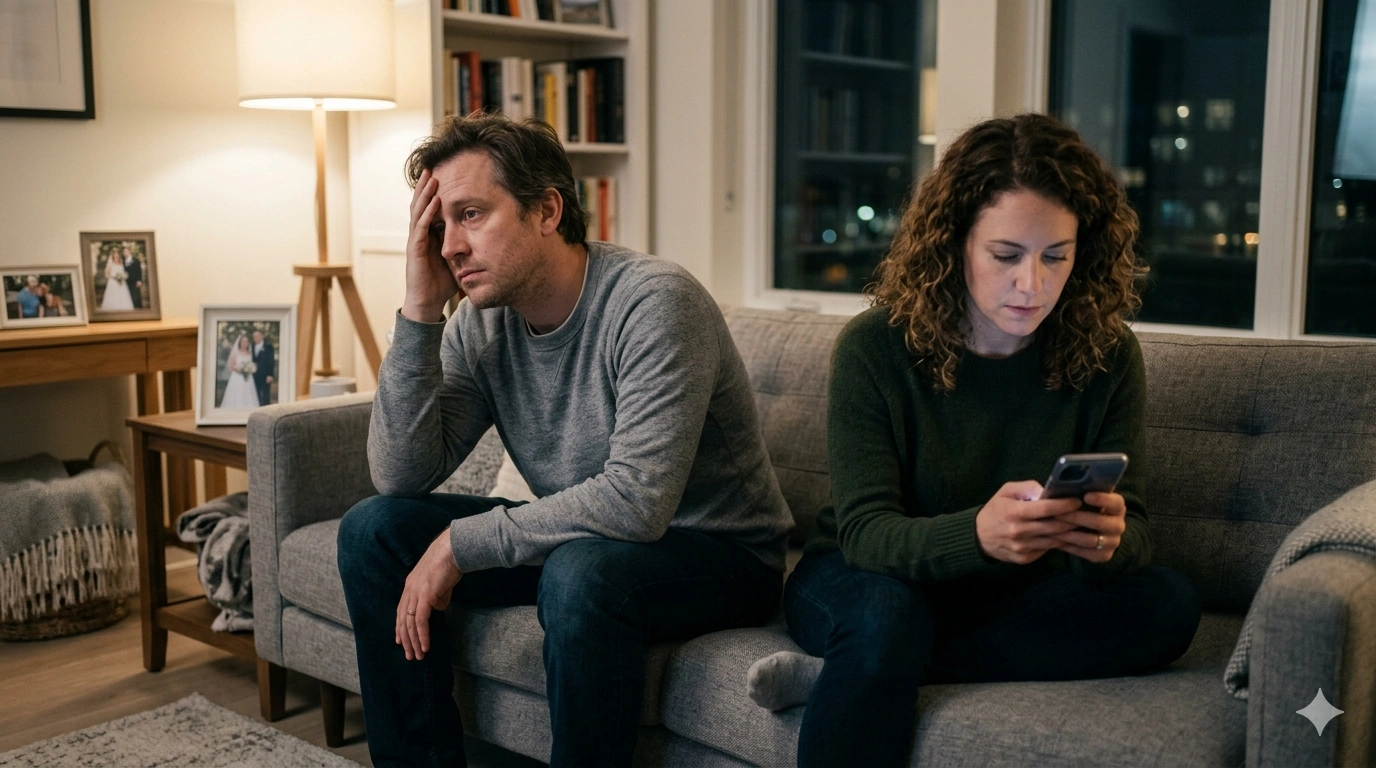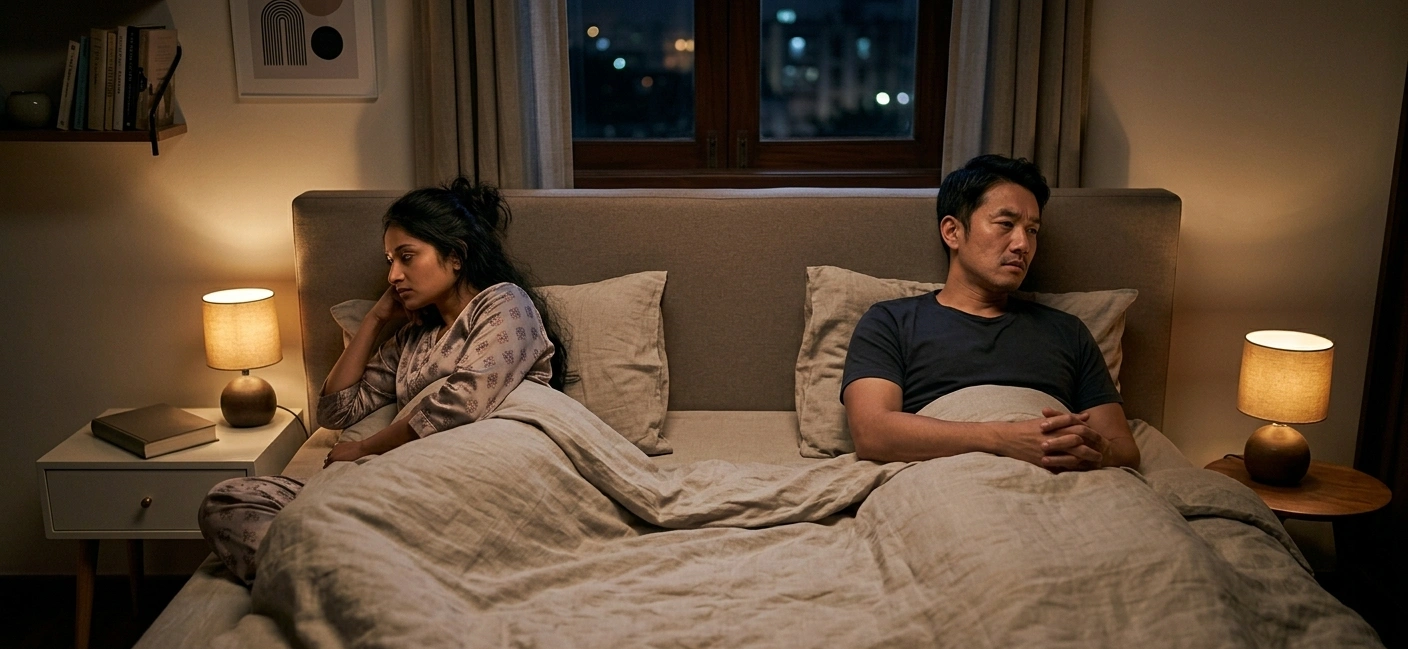
Here’s something most couples never figure out: the fights aren’t really about the dishes, or the tone of voice, or who forgot to follow up on that thing. They’re about something older. Something that was wired in long before this relationship ever existed.
Attachment styles in relationships are the hidden architecture underneath most recurring conflicts, the reason two people who genuinely love each other can feel chronically unsafe with each other.
The short answer: your attachment style is the blueprint your nervous system uses to decide whether love is safe. And if that blueprint was built in an environment of inconsistency, absence, or fear, it follows you. Into every relationship. Until you look at it directly.
What Is Attachment Style, And Where Does It Come From?
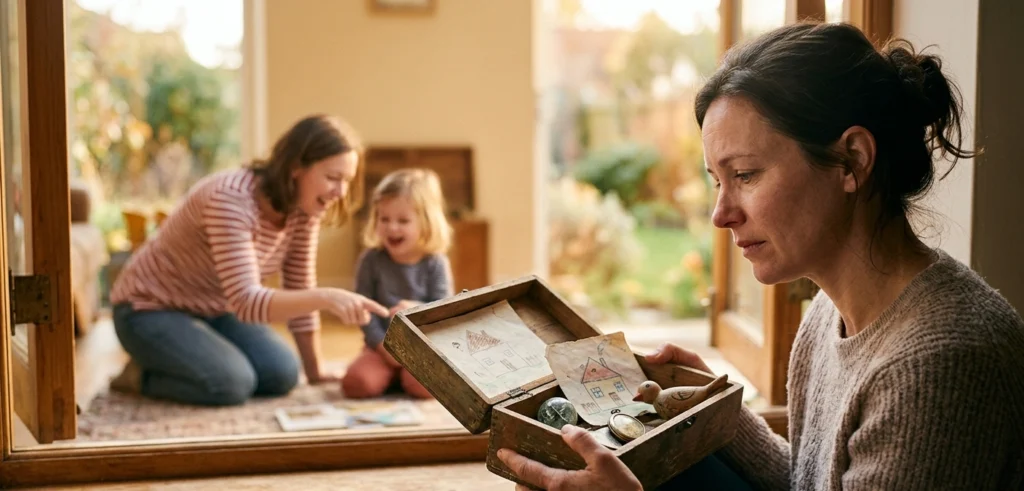
Attachment theory was first developed by John Bowlby and later expanded by Mary Ainsworth. The core idea is simple: the way we bonded with our earliest caregivers creates a template for how we relate to closeness, vulnerability, and love as adults.
There are four main attachment styles in relationships:
- Secure attachment, comfort with both closeness and independence. Can ask for needs without panic. Handles conflict without catastrophizing
- Anxious attachment, craves closeness but fears abandonment. Tends to over-communicate, seek reassurance, and read into silences
- Avoidant attachment, values independence heavily. Emotional intimacy can feel threatening. Tends to withdraw when things get close or intense
- Disorganized attachment, a combination of wanting closeness and fearing it simultaneously. Often linked to early experiences of fear or trauma within caregiving relationships
Most people recognize themselves somewhere in that list. Some people see their partner. And suddenly a lot of old arguments start making a different kind of sense.
Attachment Styles in Relationships: The Hidden Reason Couples Struggle
Here’s where it gets complicated. Most relationship conflict isn’t two people being incompatible, it’s two attachment systems colliding. And the most common collision is the anxious-avoidant pairing.
The anxious partner reaches. The avoidant partner pulls back. The reaching increases because the withdrawal feels like abandonment. The withdrawal increases because the reaching feels like suffocation. Both people are responding to real fear.
Neither is wrong exactly. But together, they create a cycle that can feel impossible to break without understanding what’s actually driving it.
Some patterns that show up when attachment styles in relationships go unexamined:
- Constant reassurance-seeking that never quite lands, the anxious partner asks “are we okay?” and even a genuine “yes” doesn’t settle the anxiety for long
- Emotional shutdown during conflict, the avoidant partner goes quiet or leaves the room, which the other person experiences as abandonment, which escalates everything
- Push-pull dynamics, closeness triggers fear, distance triggers panic. The couple oscillates without ever finding stable ground
- Disproportionate reactions, a small slight lands like a catastrophe because it’s activating something much older than this moment
This isn’t dysfunction. It’s neuroscience. These are nervous system responses, not character flaws. But they need to be named before they can be worked with.
Disorganized Attachment Style: The One Nobody Talks About

Disorganized attachment is the least discussed and often the most painful. It develops when the very person who was supposed to be a source of safety was also a source of fear, an abusive parent, a deeply unpredictable caregiver, a home environment where love and danger coexisted. Among the different attachment styles in relationships, disorganized attachment is often the most confusing and emotionally intense.
What it looks like in adult relationships:
- Wanting intimacy desperately while simultaneously sabotaging it when it gets close
- Difficulty trusting even when there’s no evidence of betrayal
- Extreme emotional responses that feel disproportionate even to the person experiencing them
- Self-sabotage at the point of real connection, things start going well and something inside finds a way to create distance or crisis
People with disorganized attachment styles in relationships often carry enormous shame about their patterns. They know something isn’t working. They don’t always know why. The work here is slower and usually benefits significantly from professional support, not because something is broken, but because the wiring runs deep and deserves real attention.
At Intimacy Academy, this is some of the most important work we do, helping people understand where their patterns came from, so they stop being at the mercy of them.
Anxious Attachment Style: When Love Feels Like Waiting for It to End
Anxious attachment is exhausting, mostly for the person experiencing it. It’s not that they don’t trust their partner. It’s that their nervous system has learned to scan for signs of abandonment even when there aren’t any.
What anxious attachment style looks like day to day:
- Checking the phone more than necessary after a slightly short reply
- Replaying conversations for signs that something is wrong
- Needing repeated reassurance about the same things
- Feeling relief when conflict is avoided, but the relief never lasts long
- Interpreting busyness or quietness as emotional withdrawal
The hard truth about anxious attachment is that the reassurance never fully resolves the anxiety. Because the anxiety isn’t really about this partner. It’s about an older story, one where love was conditional, inconsistent, or unreliable. Healing means updating that story, which takes time, self-awareness, and often guided support.
According to research published in the Journal of Personality and Social Psychology, individuals with anxious attachment report lower relationship satisfaction on average, not because their relationships are worse, but because their internal experience of those relationships is filtered through a lens of chronic insecurity. Source: APA PsycNet
Read More: Daily Habits That Rebuild Emotional Intimacy in Long-Term Relationships
Secure Attachment Style: What It Actually Looks Like

Security doesn’t mean never feeling hurt or scared. It means having enough internal stability, and enough trust in the relationship, to move through hard moments without the whole foundation feeling at risk.
Securely attached people in relationships tend to:
- Communicate needs directly without excessive fear of rejection
- Handle conflict without catastrophizing, a fight is a fight, not proof the relationship is ending
- Give their partner space without interpreting it as abandonment
- Repair quickly after disconnection, they reach back out, they apologize, they move forward
- Feel generally worthy of love, not perfectly, not without doubt, but as a baseline orientation
The good news, and this is genuinely important, is that attachment styles in relationships are not fixed. Secure attachment can be earned through consistent, safe relationships and through conscious inner work. It’s called “earned security” and it’s well-documented in attachment research.
You don’t have to have had a perfect childhood to become securely attached as an adult.
Your Patterns Aren’t Your Destiny
This is the thing worth holding onto. Attachment styles in relationships explain so much, the recurring fights, the inexplicable distances, the feeling of trying hard and still somehow getting it wrong. But explanation isn’t the same as excuse, and pattern isn’t the same as permanent.
Understanding your attachment style is the beginning of something. The beginning of having more choice in how you respond. More awareness of when your nervous system is running an old script. More compassion, for yourself and for whoever is sitting across from you trying to love you in the middle of their own old script.
You were wired a certain way. But wiring can change. Slowly, carefully, with the right support, it changes.
At Intimacy Academy, we work with individuals and couples who are ready to understand their patterns and build something different. Not perfect. Just more conscious. More chosen. Explore our attachment-focused programs here and start rewriting the blueprint.
Understanding your pattern is step one. Actually shifting it is another. The Sneh Sutra Practitioner Course goes deep into building loving, secure connections for individuals and couples both.Start that work here
FAQs
Q.1 What is attachment style?
It’s the pattern your nervous system uses to navigate closeness, vulnerability, and love, shaped by early caregiving experiences and carried into every adult relationship you have.
Q.2 Can attachment styles change over time?
Yes, and this is important. Earned secure attachment is real. Consistent safe relationships, self-awareness, and intentional work, especially with a therapist or coach, can genuinely shift your attachment style in relationships over time.
Q.3 What is disorganized attachment style in relationships?
It’s when someone simultaneously craves and fears closeness, often rooted in early experiences where the caregiver was both a source of comfort and fear. It creates push-pull patterns that feel confusing even to the person experiencing them.
Q.4 What is anxious attachment style and how does it affect relationships?
Anxious attachment means chronic fear of abandonment even within loving relationships. It shows up as reassurance-seeking, difficulty relaxing into closeness, and interpreting normal partner behavior as signs something is wrong.
Q.5 What is secure attachment style and can you develop it as an adult?
Secure attachment means feeling generally safe with closeness and independent simultaneously. Yes, it can absolutely be developed as an adult through consistent, safe relationships and conscious inner work.
Q.6 How do I know which attachment style I have?
Most people get a strong sense from reading descriptions, you’ll recognize yourself. Formal assessments exist too. But honest self-reflection about how you behave when you feel close to someone, threatened, or abandoned will tell you most of what you need to know.