

The fear of being in a bedroom that causes performance anxiety is much more prevalent than many people are aware. Women and men alike feel self-doubt, anxiety, or a fear of not being able to satisfy their partners during intimate moments.
Although a bit of anxiety is normal, constant anxiety can lead to an unending cycle of stress which can impact not just your confidence, but also affects the sexual experience. The great thing is that anxiety doesn’t have to be permanent. It can be managed, understood and conquered with confidence, self-awareness and the right techniques.
What Is Performance Anxiety?
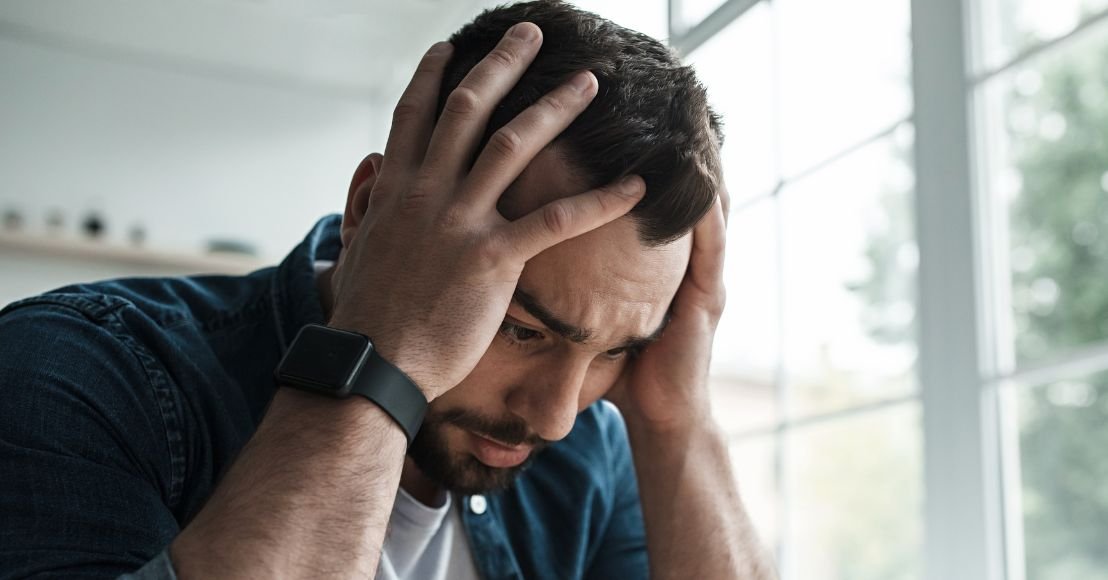
Performance anxiety is the physical and mental stress that results from stressing about how you’ll perform sexually. It manifests in a variety of ways, like the fear of not having or maintaining an erection, being concerned about premature ejaculation as well as feeling pressured to go on an orgasmic and dreadful that your partner isn’t happy. The negative thoughts can put your body under pressure, usually making the problem you are afraid of more likely to occur.
The cycle can be difficult to break: stress results in poor performance, and poor performance leads to stress, but the loop can be broken and is achievable once you understand how to relax your mind and change your perception.
The Psychological Side of Anxiety
The anxiety in the bedroom isn’t always focused on the body, but is often a direct result of the mind. Unforgiving self-talk and fear of rejection unresolved tensions in relationships and unrealistic expectations may cause anxiety in a variety of ways. Some people’s anxiety could be rooted in past instances of embarrassment or failure and for others, it could be caused by the pressures created by the culture or media-driven ideals of sexuality.
Recognizing that sexual intimacy isn’t an act but a feeling shared by two people is an important first step towards reducing anxiety. Sexuality isn’t about perfection but about enjoyment, connection and connection.
Physical Effects of Performance Anxiety
Performance anxiety isn’t just a matter of putting it in your mind, it affects the body as well. Stress induces cortisol’s release which is a hormone that may affect testosterone production, diminish sexual libido, and reduce blood flow. Males may have difficulty keeping erections in check, while women may have less sexual arousal or difficulties in reaching an orgasm.
In addition tension within the body can make it more difficult to settle into the present moment. Instead of being able to enjoy the moment it is possible that you are worrying, which will only add to the cycle of stress. Being aware of these physiological reactions and recognizing them as normal stress reactions rather than “failures” can help you be more compassionate for yourself.
1. Stay in contact with your partner and be open to communication
One of the most effective strategies to combat performance anxiety is honest and open communication. Many suffer in silence afraid of being judged by their spouse, however most partners are more tolerant than we imagine.
When you talk about your concerns and concerns, you are allowing your partner to help you emotionally, rather than not knowing that they are adding pressure to your life.
Simple conversations such as “I feel a little nervous sometimes and it affects me,” can help break the ice and establish an environment that is safe. If both parties engage in intimacy with compassion and patience, anxiety diminishes naturally, as the fear of judgement begins to diminish.
2.Switching focus from performance to Pleasure
Anxiety thrives on expectation. Instead of dwelling on your goal of getting orgasmic, piercing or lasting a particular period of time, turn your focus to the joy that is happening. Consider kissing, touch and foreplay as well as intimate relationships without putting pressure on yourself to attain a particular result.
Mindful intimacy – where the mind is slowed down and you pay attention to feelings, and be present–helps reduce distractions and strengthens connections. Be aware that intimacy is a journey not a contest.
3.Relaxation and Mind-Body Techniques
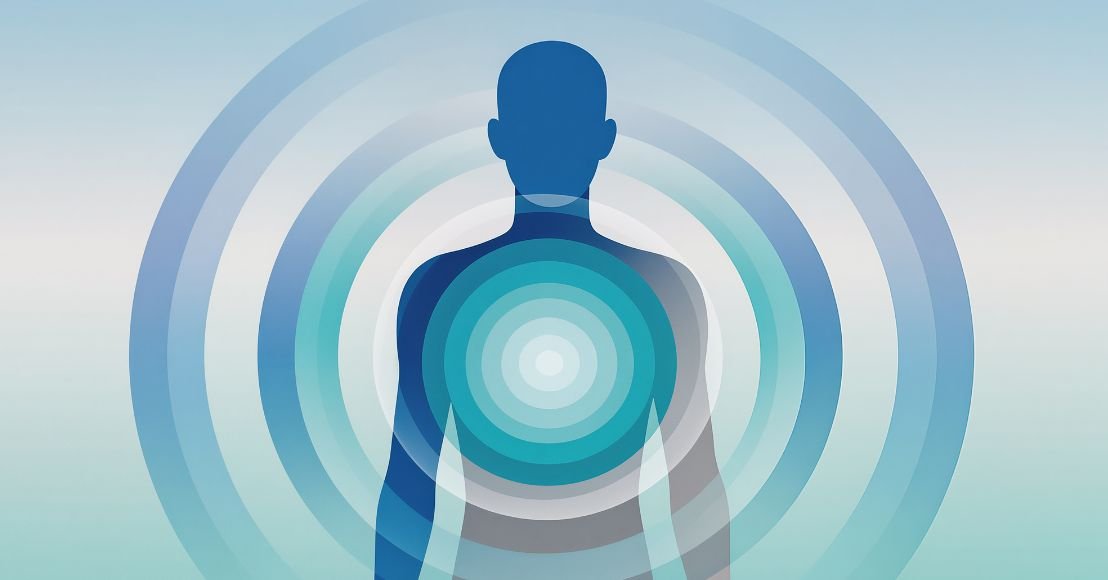
Performance anxiety is often treated with strategies that soothe both the body as well as the mind. Meditation, breathing exercises or progressive muscle relaxation prior to intimacy can reduce stress hormones and allow you to feel more grounded. Regular exercise can play an important part.
It improves the flow of blood and stamina, but also increases endorphins which boost mood and self-confidence. Eliminating smoking, alcohol or drinking excessively caffeine may also help lower anxiety symptoms as they are often a hindrance to sexual functioning.
For some visualization techniques, like picturing a calm, positive sexual encounter can help rewire your brain to link intimate relationships with confidence instead of anxiety.
4.Seeking Professional Support
If your performance anxiety persists regardless of your efforts, seeking assistance from a professional might be the best option. Counselors or therapists for sex can assist you in identifying the root for your anxieties, regardless of whether they’re psychological, relationship-related or physical.
Sometimes, medical issues, hormonal imbalances or adverse effects from medications could be contributing factors, and a physician can rule them out and offer solutions. Therapy also teaches ways to build confidence and intimacy, assisting both parties be able to better understand each other’s needs.
It’s not a sign of weakness, it’s an indication of strength and an important step towards better intimacy.

5.Building Confidence Outside the Bedroom
Your confidence in your bedroom is usually the reflection of your feelings about your self outside of it. Self-esteem can be built through taking care of yourself, engaging in interests, ensuring fitness and celebrating your successes can help ease anxiety. The more secure you feel about your daily life, the less stress you bring into those intimate occasions.
The confidence you build builds gradually, so you should be able to accept small wins. Instead of looking for instant perfection, celebrate the progress and effort. In time, this new perspective can dramatically alter the way you feel about intimacy.
Conclusion
Beating anxiety about performance in the bedroom is a matter of patience, self-compassion, and communication. Through understanding the psychological and emotional aspects that cause anxiety and allowing yourself to open to your loved one by practicing relaxation techniques and focusing on enjoyment rather than performance, you’ll be able to slowly break free of the cycle of anxiety.
Be aware that intimacy isn’t just a test, it’s an opportunity to be connected, discover and bond with people whom you are confident in. If you have the right mindset and the right support, you’ll be able to get back your confidence, be intimate completely, and build your bond by extending it beyond the bed.
FAQs
Q1. Does performance anxiety cause you to be anxious?
It is frequent in both women and is possible at any time in life.
Q2. Is stress a factor that can cause problems with erections and arousal?
Absolutely. Stress causes cortisol to rise which can affect blood flow and lowers libido.
Q3. What do I know to tell whether my anxiety issue is a medical one or a medical issue?
If you experience problems only during certain circumstances or you are feeling anxious then it’s most likely anxiety. If the problem is constant, see your doctor to rule out any medical reasons.
Q4. Does talking to my partner help lessen anxiety?
Honest communication eliminates the fear of judgement and increases confidence, which makes the intimacy feel more secure and at ease.
Q5. Do I require therapy for anxiety about performance?
Infrequently however, if self-help methods aren’t working, a sexual counselor or therapist could provide efficient tools and help.