
Sometimes relationships do not break loudly.
They slowly become quieter.
Two people still live together, still talk about bills, children, work, groceries, responsibilities… but something emotional starts fading in the background. The warmth becomes routine. Conversations become shorter. Touch becomes less natural. Even sitting together can begin feeling strangely distant.
Many couples do not notice this shift immediately. Life gets busy. Stress increases. Exhaustion becomes normal. And over time, the emotional connection that once felt effortless starts feeling harder to reach.
The difficult part is that most people think intimacy only means physical closeness. But in reality, intimacy often starts disappearing emotionally long before it changes physically. A couple may still share a house, a bed, and daily responsibilities while quietly carrying emotional distance inside the relationship.
Understanding the causes lack of intimacy in marriage becomes important because these changes usually begin subtly. A small communication gap here. A little emotional exhaustion there. Unspoken resentment. Constant stress. Feeling unheard repeatedly.
None of it looks serious at first.
But slowly, relationships begin feeling less connected and more mechanical.
The good news is that early awareness can help couples reconnect before the distance becomes too deep.
What Causes Lack of Intimacy in Marriage?
The causes lack of intimacy in marriage are usually emotional, mental, and lifestyle-related rather than just physical.
Some of the most common reasons include:
- Constant stress and emotional exhaustion
- Poor communication between partners
- Feeling emotionally ignored or misunderstood
- Unresolved arguments and resentment
- Lack of quality time together
- Work pressure and busy routines
- Parenting stress
- Low emotional connection
- Loss of trust or emotional safety
Intimacy often weakens when couples stop feeling emotionally close, appreciated, or mentally connected for a long time.
When Daily Life Starts Replacing Emotional Connection
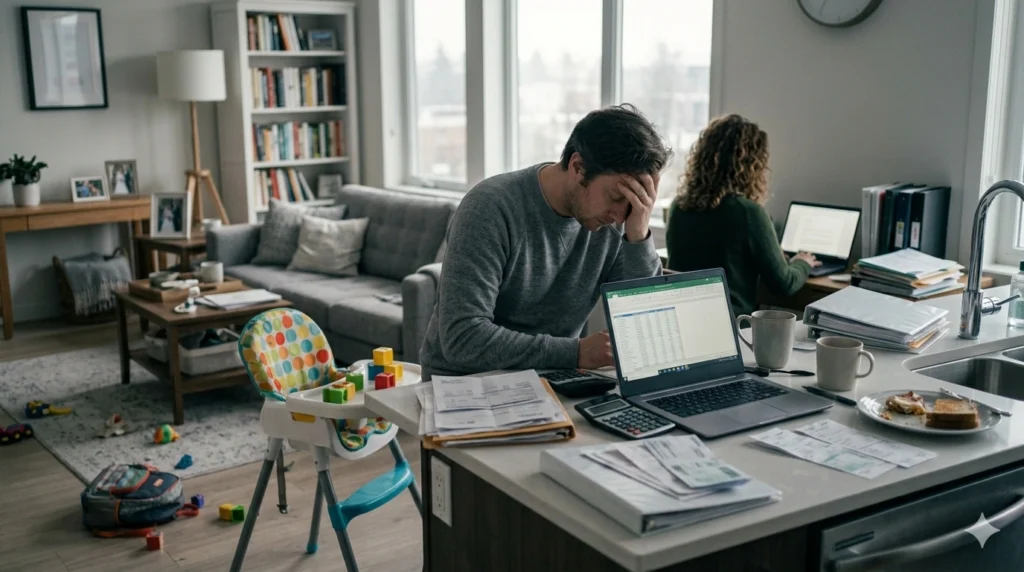
Marriage often changes after the early years.
Not because love disappears suddenly, but because responsibilities become louder.
Work schedules get heavier. Financial pressure increases. Family expectations grow. Children need attention. And somewhere between all this, couples sometimes stop noticing each other emotionally.
At first, it feels temporary.
“We’re just busy.”
“We’ll spend time together later.”
“Things will calm down soon.”
But months sometimes become years.
One of the biggest relationship problems in modern marriages is that couples continue functioning together while emotionally drifting apart. The relationship still survives operationally, but the emotional intimacy quietly weakens.
People begin discussing tasks more than feelings. Conversations become practical instead of personal. Even affection can start feeling scheduled or forced.
This emotional disconnect rarely happens in one moment.
It grows slowly through repeated emotional neglect.
The Communication Gap Most Couples Ignore
A serious communication gap does not always look like constant fighting.
Sometimes it looks like silence.
Two people talking only about responsibilities. Avoiding deeper conversations. No longer sharing fears, excitement, frustration, or emotional vulnerability the way they once did.
And over time, emotional safety begins disappearing.
Many couples assume communication means simply talking regularly. But emotional intimacy depends on feeling understood, heard, and emotionally accepted.
When that stops happening consistently, distance naturally grows.
For example:
- One partner may feel dismissed repeatedly
- The other may feel constantly criticized
- Conversations may turn defensive quickly
- Emotional honesty may start feeling unsafe
Eventually, couples stop expressing themselves fully because it feels easier to stay quiet than misunderstood.
That silence slowly creates emotional separation.
Why Stress Changes Marriage More Than People Realize

Long-term stress in marriage affects intimacy deeply.
When the mind remains overwhelmed for too long, emotional connection often becomes difficult to maintain naturally. A stressed person may become emotionally unavailable without even realizing it.
Sometimes stress shows up as:
- Irritability
- Emotional withdrawal
- Reduced affection
- Mental exhaustion
- Low patience
- Lack of interest in closeness
The difficult part is that stress rarely stays limited to work or finances. It quietly enters conversations, moods, reactions, and emotional energy inside the relationship.
A person carrying constant pressure may stop initiating intimacy, stop communicating openly, or stop being emotionally present altogether.
Not because they do not care.
But because emotional exhaustion changes how people connect.
This is why many couples misunderstand each other during stressful phases. One partner feels rejected, while the other simply feels mentally drained.
Without awareness, this misunderstanding creates even more emotional distance.
Emotional Distance Usually Starts Quietly
Most couples do not wake up one morning completely disconnected.
The distance usually builds through small repeated moments.
Less eye contact.
Less emotional curiosity.
Less affection.
Less effort.
Less patience.
At first, these changes seem harmless. But over time, emotional disconnection becomes the new normal.
One of the strongest signs of emotional distance is when couples stop feeling emotionally “seen” by each other.
You may notice things like:
- Conversations feeling emotionally flat
- Spending time together without feeling connected
- Lack of excitement around each other
- Reduced emotional openness
- Feeling lonely even inside the marriage
- Avoiding meaningful discussions
Sometimes couples continue loving each other deeply while still feeling emotionally disconnected.
That confusion can feel painful because the relationship still exists, but the emotional closeness no longer feels natural.
The Part Many People Feel Guilty Talking About
Sometimes intimacy changes because resentment quietly builds underneath the relationship.
Unresolved arguments. Repeated disappointment. Feeling emotionally unsupported for too long. Small hurts that were never properly addressed.
People often carry these emotions silently because they want to “keep peace” in the marriage.
But unspoken hurt rarely disappears on its own.
It usually changes behavior slowly.
A partner may become colder emotionally.
Less affectionate.
Less interested in conversations.
Less emotionally available.
Not intentionally.
But emotional pain often creates emotional protection.
This is why healthy communication matters so much in long-term relationships. Problems ignored for years usually do not stay small emotionally.
Why Couples Stop Prioritizing Each Other
One common cause of intimacy loss is simple emotional neglect through routine.
Marriage sometimes becomes heavily responsibility-focused. Couples start operating like teammates managing life instead of partners emotionally connecting.
And honestly, this happens more often than people admit. Over time, this emotional disconnect can even contribute to a sexless marriage, where physical intimacy gradually becomes rare or emotionally distant.
Many couples barely spend intentional time together anymore. Phones replace conversations. Exhaustion replaces emotional energy. Daily routines replace emotional presence.
Slowly, emotional connection stops being actively maintained.
Relationships need emotional attention the same way physical health needs care. Without regular connection, appreciation, affection, and communication, intimacy naturally weakens over time.
This does not mean every marriage is failing.
It simply means emotional closeness requires ongoing effort.
Early Signs That Intimacy Is Slowly Fading

Recognizing early signs can help couples rebuild connection before the relationship feels emotionally distant for too long.
Some common early signs include:
Conversations Feel Mechanical
Most discussions revolve around responsibilities, schedules, finances, or children. Emotional conversations become rare.
Physical Affection Reduces Naturally
Holding hands, hugging, cuddling, or casual touch slowly decreases without discussion.
One or Both Partners Feel Emotionally Unheard
There may be a growing feeling that emotions are not fully understood or valued anymore.
Quality Time Starts Disappearing
Couples spend less intentional time together emotionally, even if they physically stay around each other daily.
Irritation Increases Easily
Small things begin causing frustration because emotional patience inside the relationship has reduced.
Emotional Vulnerability Feels Difficult
Sharing fears, emotional needs, insecurities, or feelings may begin feeling uncomfortable or unsafe.
Loneliness Inside the Marriage
This is one of the strongest warning signs. A person may feel emotionally alone despite being in a relationship.
Read More: How Can Overcoming Overthinking for Emotional Balance helps to Reduce Stress?
Why Relationship Awareness Matters Early
Healthy relationships usually do not survive only on love.
They survive on awareness.
Many couples notice problems only after emotional distance becomes severe. But early relationship awareness can change everything.
When couples become emotionally aware early, they are more likely to:
- Communicate honestly
- Address resentment sooner
- Prioritize emotional connection
- Understand stress patterns
- Rebuild intimacy gradually
- Support each other emotionally
Awareness creates space for repair before emotional damage becomes too deep.
And often, small consistent emotional efforts matter more than dramatic changes.
Sometimes intimacy returns through very ordinary things:
- Listening properly again
- Spending uninterrupted time together
- Expressing appreciation
- Talking honestly without defensiveness
- Relearning emotional closeness slowly
Real intimacy usually grows through emotional safety, not perfection.
Intimacy Problems Are More Common Than People Think
Many couples quietly experience periods of emotional disconnection.
They simply do not talk about it openly.
There is often shame attached to relationship struggles, especially around intimacy. People assume something must be “wrong” with the marriage if closeness changes.
But relationships naturally go through emotional phases.
What matters more is whether couples become aware of the distance and choose to work through it together instead of silently accepting emotional separation as permanent.
The earlier couples recognize the causes lack of intimacy in marriage, the easier it often becomes to reconnect emotionally.
Because most emotional distance starts quietly…
but healing usually starts quietly too.
Small conversations.
Small efforts.
Small moments of emotional honesty.
That is often where connection slowly returns.
FAQs
Q1. What are the main causes lack of intimacy in marriage?
The most common causes include emotional distance, poor communication, stress, unresolved conflicts, busy routines, lack of quality time, and emotional exhaustion.
Q2. Can stress affect intimacy in marriage?
Yes. Long-term stress in marriage can reduce emotional connection, patience, affection, and communication between partners.
Q3. What are early signs of emotional distance in a relationship?
Some early signs include reduced communication, lack of affection, emotional loneliness, constant irritation, and feeling emotionally disconnected from your partner.
Q4. How does communication gap affect marriage?
A communication gap can make partners feel unheard, misunderstood, and emotionally unsupported, which slowly weakens intimacy.
Q5. Can intimacy return after emotional distance?
Yes. Many couples rebuild intimacy through honest communication, emotional awareness, quality time, and consistent emotional effort.